How to Stay Independent as You Age: A Physiotherapist’s Guide
- Sarah Plunkett
- May 14
- 4 min read
By Bodyright Physiotherapy Drogheda
Aging is inevitable, but losing your independence doesn’t have to be. For many people across Drogheda and Louth, staying independent means continuing to live life on their own terms—getting out for a walk, meeting friends for coffee, managing daily tasks, and not having to rely on others for the small (but very important) things. It’s about dignity, confidence, and maintaining your quality of life. While it’s often assumed that losing independence is just part of getting older, it’s much more commonly linked to changes in strength, balance, and mobility—areas where physiotherapy can make a real difference.
One of the biggest contributors to loss of independence isn’t age itself, but inactivity. Over time, muscles weaken, balance declines, and everyday movements become more difficult. This tends to happen gradually until something simple—like getting out of a chair or walking up the stairs—feels surprisingly challenging. In physiotherapy, we often say “use it or lose it,” and while it may sound simple, it’s incredibly accurate. The body adapts to what we do most, so if we spend more time sitting, we become very good at… sitting.
The good news is that staying active and independent in later life doesn’t require extreme workouts or hours in the gym. Regular, simple movement can make a significant difference. Walking along the Boyne, getting up and down from a chair without using your hands, or keeping generally active throughout your day all help maintain strength and mobility. These small, consistent habits are far more effective than occasional bursts of motivation.
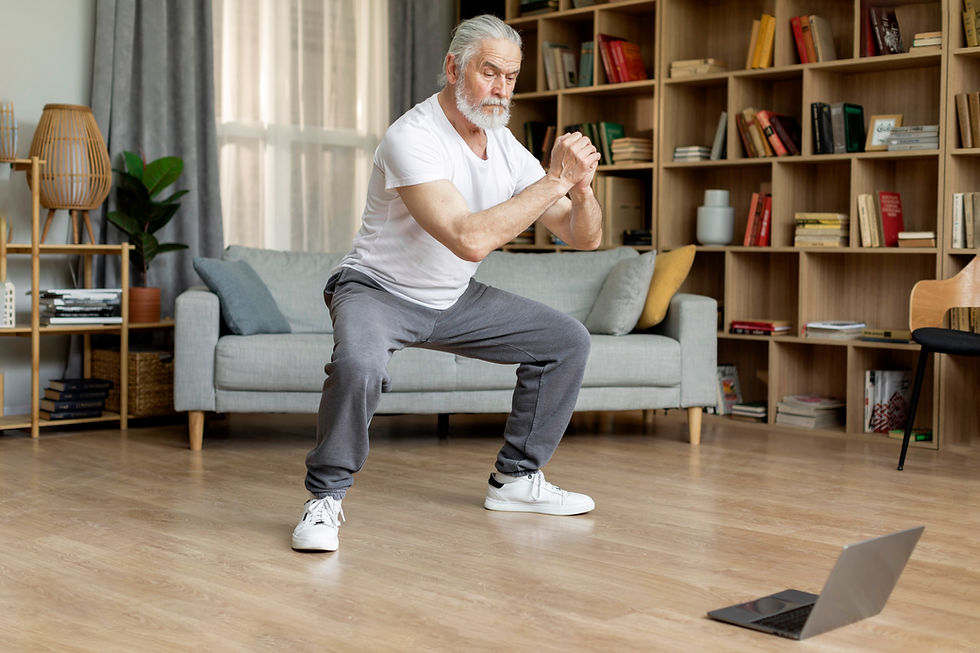
Strength—especially in the legs—is one of the biggest protectors of independence. Being able to stand up easily, climb stairs, or steady yourself if you trip all relies on lower body strength. Exercises like sit-to-stands, step-ups, and supported lunges directly translate into real-life function. Importantly, strength training also supports bone density, helping to reduce the risk of fractures as we age. Alongside the physical benefits, regular strength work is strongly linked with improved mood and mental wellbeing, helping to reduce symptoms of stress and low mood. It’s one of the simplest ways to look after both your body and mind.
Balance is another key factor that is often overlooked until it becomes a problem. Many people only start to think about balance after a wobble or a fall, but it’s something that can be trained at any age. Simple exercises like standing on one leg or walking heel-to-toe can help, but many people find it easier—and more enjoyable—to stay consistent by joining a group. Across Drogheda and Louth, classes such as Pilates and Tai Chi are excellent options. These classes gently improve balance, strength, flexibility, and coordination, all while providing a social outlet. And let’s be honest, you’re far more likely to stick with something if you enjoy it and there’s a cup of tea and a chat afterwards.
Flexibility also plays an important role in maintaining independence. While you don’t need to become a yoga expert, keeping your joints moving comfortably helps with everyday activities like dressing, reaching, and turning in bed. Gentle stretching of the hips, calves, and shoulders can help prevent stiffness and keep movement feeling easier. It’s less about pushing your limits and more about maintaining comfortable, functional movement.
It’s also important not to ignore small aches and pains. What starts as a minor niggle can often lead to reduced activity, which then leads to weakness and further difficulty. This is a very common cycle we see in clinic: discomfort leads to avoiding movement, avoidance leads to deconditioning, and before long, everyday tasks feel harder than they should. Early physiotherapy input can help address these issues before they become limiting and keep you moving confidently.
Confidence plays a huge role in staying independent and is often underestimated. After a fall or injury, it’s natural to feel more cautious, but this can lead to doing less, which then reduces strength and balance. Physiotherapy helps break this cycle—not just by improving physical ability, but by helping you regain trust in your body so you can move safely and confidently again.
Ultimately, staying independent doesn’t require perfection—just consistency. A simple routine that includes a daily walk, a few strength exercises like sit-to-stands, some balance work, and gentle stretching can go a long way. Adding a local class like Pilates or Tai Chi in Drogheda or Louth can provide structure, motivation, and a sense of community, making it much easier to maintain these healthy habits long-term.
Aging doesn’t have to mean giving things up or becoming dependent on others. With the right approach, you can stay active, confident, and in control of your daily life for years to come. And if that also means continuing to open your own jars without assistance, that’s a win worth holding onto.
Stay Strong, Active & Independent with Bodyright Physiotherapy Drogheda
At Bodyright Physiotherapy, we specialise in helping people across Drogheda and Louth maintain their independence, strength, and mobility at every stage of life.
We offer:
Physiotherapy for older adults in Drogheda
Balance and falls prevention programmes in Louth
Strength and mobility rehabilitation
Guidance on safe home and gym exercise and classes like gentle Physio-Led Pilates classes that are Osteoporosis safe.
Whether you’re starting to notice small changes or simply want to stay ahead of them, we’re here to help you keep doing the things that matter most.
Book an appointment today with Bodyright Physiotherapy Drogheda and take the first step towards staying independent, active, and confident.


Comments